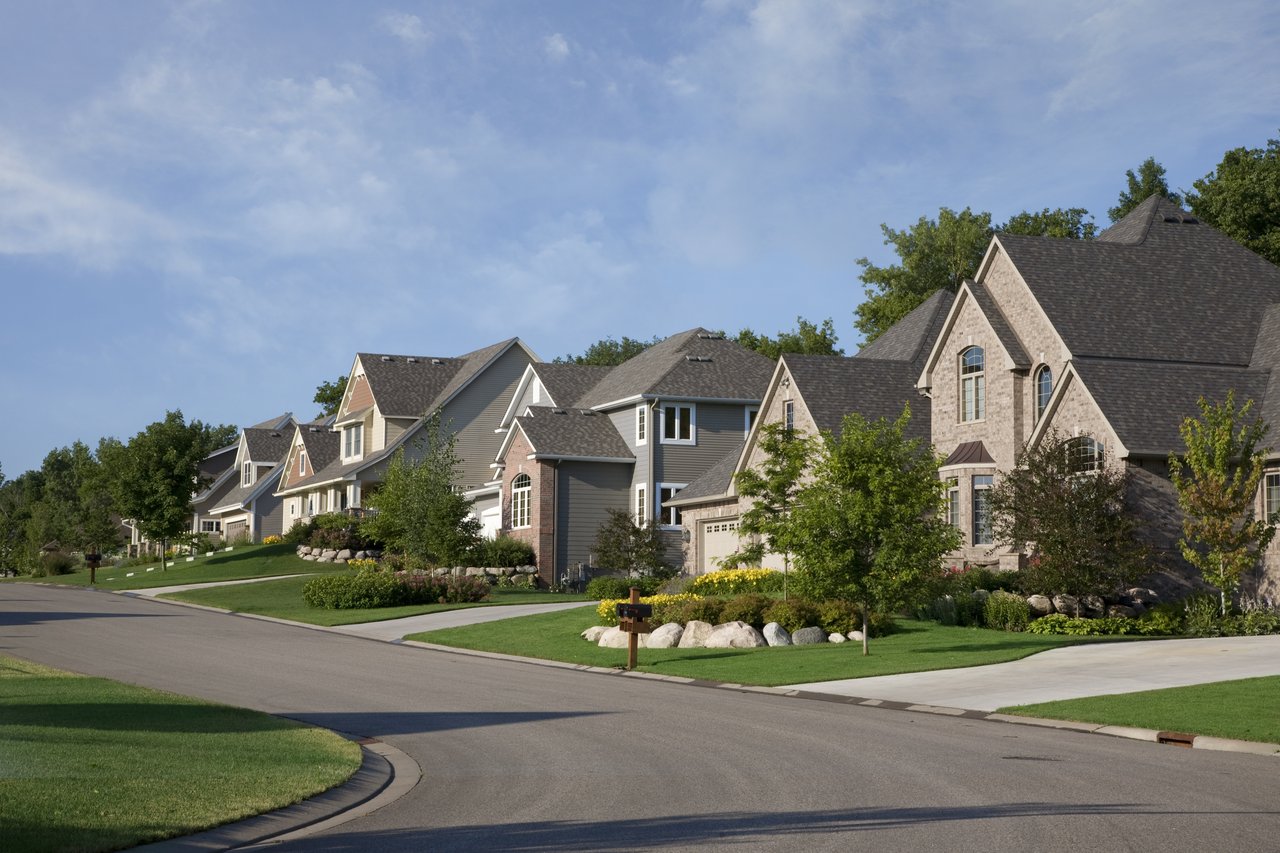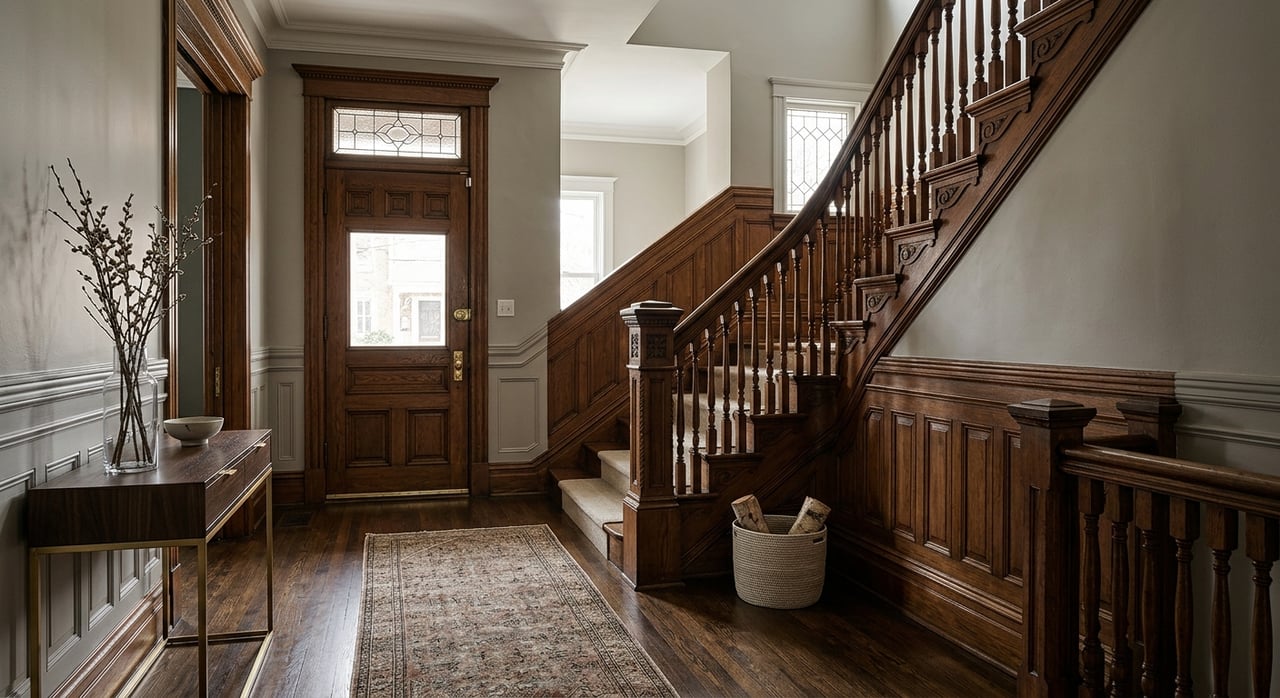
Thinking about buying a historic home in Monte Vista? It is easy to fall for the architecture, the deep porches, and the sense of place that comes with one of San Antonio’s most established historic districts. But charm is only part of the story. If you are considering a home in Monte Vista, you also need to understand historic-district rules, likely maintenance needs, and how to plan updates the right way. Let’s dive in.
Why Monte Vista Stands Out
Monte Vista is one of San Antonio’s best-known historic areas, with homes that reflect late-19th- and early-20th-century design. According to the City of San Antonio’s Monte Vista historic district overview, the neighborhood includes Classical Revival, Tudor, Spanish Eclectic, Queen Anne, and Craftsman architecture.
The district carries both local and national historic recognition. The city notes that Monte Vista became a local historic district in 1975, and the National Park Service listed the Monte Vista Residential Historic District in the National Register of Historic Places in 1998. For you as a buyer, that means the area’s visual character is important, especially the original exterior features that give these homes their identity.
Understand What Historic Designation Means
One of the biggest questions buyers ask is simple: what does historic designation actually regulate? In San Antonio, local historic districts are adopted by City Council ordinance and are legally enforceable. The city explains that historic designation regulates a property’s appearance rather than its use, which is an important distinction if you are trying to understand what ownership will involve.
In practical terms, exterior work in Monte Vista will often require a Certificate of Appropriateness through the Office of Historic Preservation before work begins. The city also makes clear that starting work without approval can trigger a $500 post-work application fee, that approvals are generally valid for up to six months, and that a COA does not replace any needed building permit.
Know Which Projects Need Review
If you are planning improvements, timing matters. San Antonio’s review process separates minor projects from larger ones. Some smaller exterior changes may be handled administratively by staff, while changes in materials or design, new construction, and many demolition-related requests may go to HDRC review.
The city recommends early consultation with OHP staff, especially for more complex plans. Its historic design guidelines also note that district-specific guidance may supplement the citywide rules, so it is smart to confirm whether the exact property has any additional design considerations.
Focus on Exterior Character
When you buy a historic home, you are not just buying square footage. You are also taking responsibility for materials and design elements that help define the home’s historic character. In Monte Vista, that often includes woodwork, masonry and stucco, roofs, windows and doors, porches, foundations, and site features.
The city’s exterior maintenance and alterations guidance is especially useful because it highlights the features most likely to affect maintenance costs and future renovation choices. Reviewing those categories before you buy can help you spot issues that deserve closer inspection.
Inspect Roofs and Drainage Carefully
Water is one of the biggest threats to older homes. San Antonio’s guidance emphasizes preserving original roof shape and overhangs, repairing distinctive roof features, and replacing sloped roofing materials in kind when possible. It also stresses the importance of keeping gutters and downspouts clear so water moves away from the house.
For you as a buyer, this means a roof inspection should go beyond surface age. Ask whether drainage is functioning properly, where water flows during heavy rain, and whether there are signs of past infiltration. Poor drainage and moisture intrusion can lead to expensive repairs if they are not identified early.
Look Closely at the Foundation
Older homes in Monte Vista may sit on pier-and-beam or masonry foundations, and those systems deserve special attention. The city recommends checking ventilation, drainage, vegetation near the home, and whether the soil slopes away from the structure.
Standing water near the base of the home can speed up deterioration. At the same time, historic foundations are not always a deal-breaker. San Antonio notes that pier-and-beam systems can often be easier to repair than modern slab foundations, and many limestone foundations can be restored rather than replaced.
Evaluate Woodwork and Porches
Historic homes often have intricate trim, siding, railings, and porch details that add much of their appeal. They can also be vulnerable to moisture, sunlight, insects, vegetation, mold, and algae. That makes exterior wood a key inspection area.
The city’s guidance favors repair in place whenever possible, with in-kind replacement only when a feature is too deteriorated to save. If you see patched areas, peeling paint, soft wood, or mismatched materials, it is worth asking what has already been repaired and what may need attention next.
Do Not Assume Windows Must Be Replaced
Many buyers see older windows and immediately think “replacement.” In a historic district, that approach can create both design and approval issues. San Antonio’s guidance says historic windows are meant to be repaired, not automatically replaced.
Weather-stripping, glazing repair, caulking, and storm windows can improve performance without losing the original look. If replacement is truly necessary, the city says the new windows should match the originals in appearance, materials, size, design, proportion, and profile. That can affect both cost and project planning, so it is wise to evaluate repairability first.
Plan for Lead-Safe Renovation
If the home was built before 1978, lead is another practical consideration. The EPA explains that renovation, repair, or painting in pre-1978 homes can create dangerous lead dust. It also notes that lead-safe certified contractors are required for many projects that disturb painted surfaces.
As a buyer, ask whether lead has been tested and factor lead-safe work practices into your renovation budget. Even smaller future projects may need more planning than you expect.
Follow the Repair-Before-Replacement Mindset
San Antonio’s preservation philosophy is clear: repair before replacement. The city prefers keeping original features in place whenever possible. If replacement cannot be avoided, new materials should match the original form, finish, and material as closely as possible.
That principle matters when you budget for ownership. A historic home may not always reward the fastest or cheapest fix. In many cases, the better long-term approach is careful repair that preserves the home’s character and aligns with the city’s expectations.
Make Updates That Fit the Home
You can still improve comfort and function in a Monte Vista home. The key is choosing updates that work with the house rather than against it. San Antonio recommends lower-impact efficiency improvements first, such as caulking, weather-stripping, restoring original windows, adding full-view storm windows, and improving insulation in attics, basements, and crawl spaces after moisture issues are addressed.
For more visible exterior changes, material choices matter. The city’s substitute materials policy emphasizes keeping original materials when feasible, using in-kind replacement when needed, and making sure substitute materials are similar in size, scale, and character.
Think Carefully About Additions
If you are buying with plans to expand, make sure your vision matches the review framework. San Antonio’s guidelines say additions should be compatible with the original structure but should not copy it so closely that they create a false sense of history.
The city also says additions should not obscure historic details and may receive more flexibility when they are not visible from the public right-of-way. That can be helpful, but it is still important to discuss your plans early so you understand what may be feasible before you close.
Build Time Into Your Plan
Historic-home projects often take longer than buyers expect. Even if your renovation is straightforward, you may need design review, building permits, contractor coordination, and specialized materials. The city encourages early communication with OHP staff and complete documentation for this reason.
If you are buying a Monte Vista home with updates in mind, build approval timing into your move-in schedule and budget. A realistic plan can reduce stress and help you make better decisions from the start.
Buy With the Right Expectations
A historic home in Monte Vista can offer architecture, craftsmanship, and neighborhood character that are hard to replicate. It can also come with responsibilities that are different from buying a newer property. The right purchase is usually the one where you understand both sides clearly before you commit.
If you want guidance as you explore historic homes in San Antonio, Bruce X Forey brings a thoughtful, lifestyle-focused approach to the buying process and understands the details that matter when character, condition, and long-term fit all need to come together.
FAQs
What does historic designation mean for a Monte Vista home buyer?
- In Monte Vista, local historic designation mainly regulates a property’s exterior appearance, not its use, and many exterior changes require city review before work begins.
Do interior renovations in a Monte Vista historic home need design review?
- Usually no, because San Antonio’s historic review process generally applies to exterior changes, though regular building permits may still be required for interior work.
What should buyers inspect first in older Monte Vista homes?
- Buyers should pay close attention to roofing, drainage, foundations, woodwork, porches, windows, doors, and other exterior features that affect both maintenance and historic character.
Can you replace windows in a Monte Vista historic home?
- Sometimes, but San Antonio’s guidance says historic windows should be evaluated for repair first, and any necessary replacements should closely match the original appearance and materials.
How should buyers plan renovations for a Monte Vista historic property?
- Buyers should consult the Office of Historic Preservation early, confirm whether district-specific rules apply, and allow extra time for approvals, permits, and specialized repair or restoration work.
Are older Monte Vista homes likely to have lead-related renovation concerns?
- They can, especially if built before 1978, so buyers should ask about lead testing and plan to use lead-safe renovation practices when painted surfaces will be disturbed.