Feeling overwhelmed by Far West San Antonio neighborhoods near 78221? You are not alone. There is a wide mix of master-planned communities, older subdivisions, and rural pockets, each with different trade-offs. In this guide, you will learn how to match your lifestyle with the right home type, commute pattern, HOA rules, schools, outdoor access, and everyday conveniences. Let’s dive in.
What “Far West” means near 78221
Locals use “Far West” as a broad label. It covers a mosaic of neighborhood styles that grow denser as you move toward Loop 1604 and major corridors. Farther west and northwest, the landscape shifts to hillier terrain with lower density. Use 78221 as your starting point, and remember that neighborhoods people consider “Far West” may also sit in nearby ZIP codes.
Some areas sit near the Edwards Aquifer recharge and karst terrain. That can affect lot grading, drainage, water use rules, and development standards. If a property is near these zones, plan to review environmental maps and confirm any restrictions before you buy.
Match your lifestyle first
Before you fall in love with a listing, clarify what matters most day to day. Try these questions:
- Commute: Where do you work, and what is your typical drive time during peak hours?
- Home type: Do you want new-construction convenience, a mature lot with shade trees, or room for animals and hobby spaces?
- HOA tolerance: Are you comfortable with rules and monthly or quarterly fees, or do you prefer fewer restrictions?
- Schools: Which programs or services do you need, and how stable are the current attendance zones?
- Outdoor life: Do you want quick access to trails and open space or a short drive to retail and entertainment?
- Military move: Which JBSA location will you report to, and what is the most reliable route at your time of day?
Neighborhood types and what to expect
Master-planned subdivisions
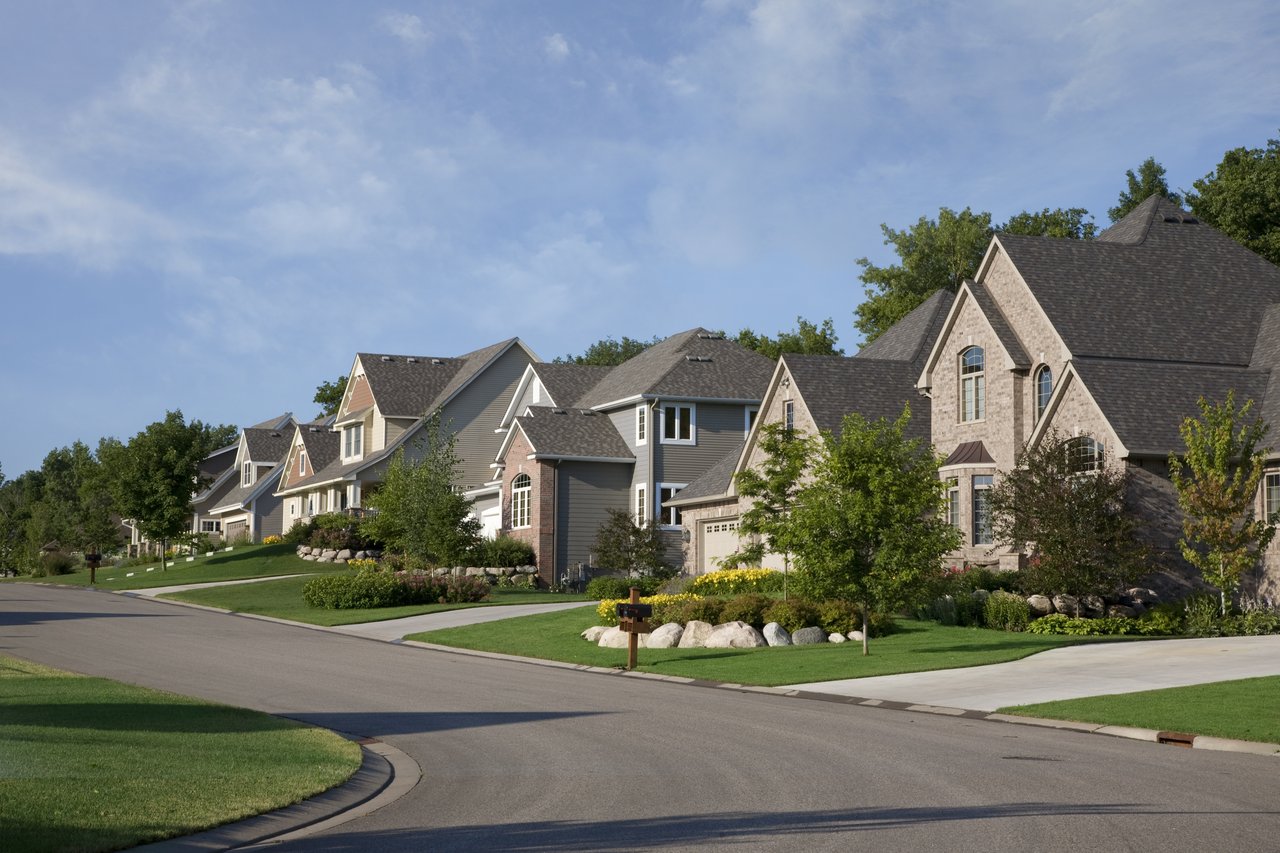
These communities offer single-family homes in a range of sizes, from starter plans to larger layouts, often on small-to-moderate lots. Streetscapes usually include curbs, sidewalks, and attractive entry monuments. Amenities may feature pools, playgrounds, trails, community centers, and sometimes an on-site elementary school or nearby retail.
- Fit: Great if you want turn-key living, predictable community standards, and built-in recreation.
- Ownership: Most have active HOAs that maintain common areas and set rules.
- What to check: HOA covenants, architectural review processes, any special assessments, and resale patterns inside the subdivision.
Established neighborhoods
Older subdivisions and close-in pockets commonly offer mid-to-late 20th-century homes with more mature trees and sometimes larger lots. Amenities are usually nearby rather than inside the subdivision, such as local parks and neighborhood retail.
- Fit: Ideal if you value character, renovation potential, and lower ongoing HOA costs.
- Ownership: Many have limited or no HOA oversight.
- What to check: Age of roofs, HVAC and plumbing, potential code upgrades, and any drainage issues unique to the area.
Rural and acreage properties
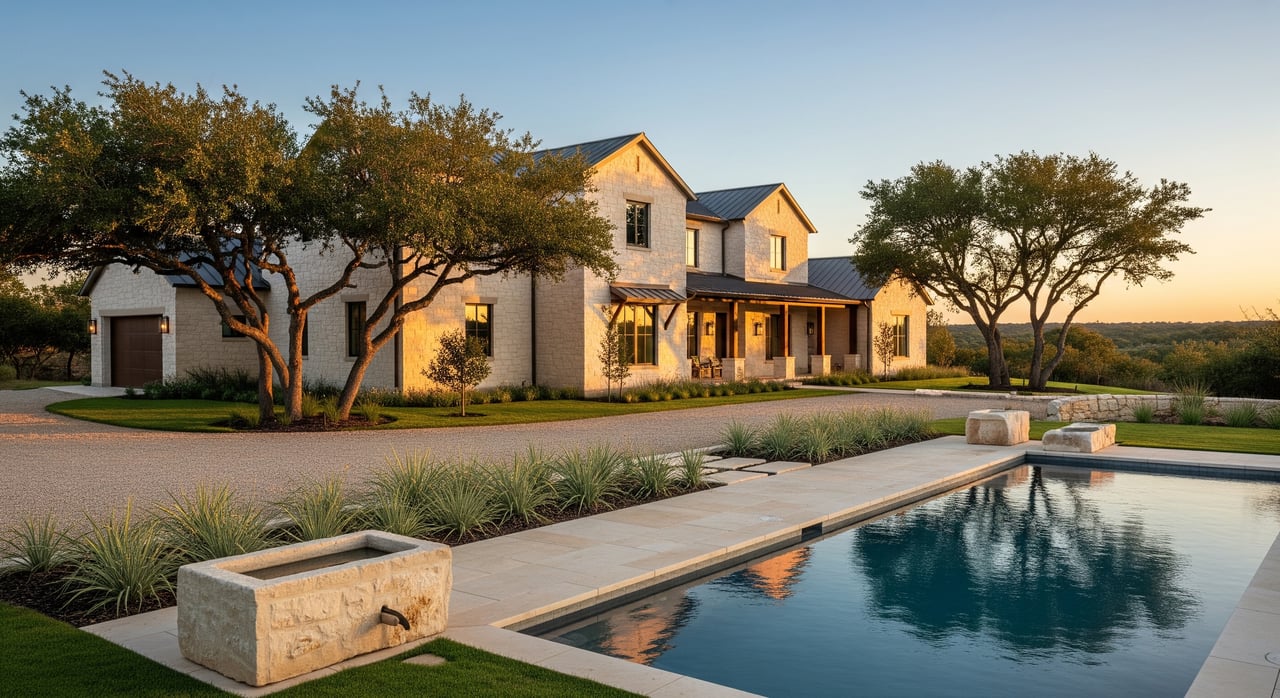
Semi-rural and rural parcels often deliver bigger lots, small ranch setups, and more privacy. You may encounter septic systems and private wells instead of municipal utilities. Community amenities are limited, but outdoor access is strong.
- Fit: Best for buyers seeking space, room for animals, and fewer close neighbors.
- Governance: Often outside HOA control, but some areas fall under a municipal utility district or county regulations.
- What to check: Well and septic permits, floodplain maps and drainage, access to municipal services over time, and building restrictions.
Active-adult and age-restricted enclaves
Some smaller 55-plus enclaves offer low-maintenance patio homes and community programming. Expect social amenities like clubhouses and fitness classes.
- Fit: Right for downsizers and retirees who want less yard work and on-site activities.
- Governance: Strong HOA oversight and age-verification rules.
- What to check: Age restrictions, fee structures, maintenance inclusions, and guest or occupancy policies for multi-generational use.
Commute and military logistics
Far West neighborhoods often trade shorter drives to west and northwest employment centers near Loop 1604 and I-10 for longer trips to downtown, east-side industry, and some JBSA posts. Always map your exact commute during your actual drive times and test alternative routes.
If you are military, compare access to Lackland, Fort Sam Houston, and Randolph. Check which gates are best for your schedule and review base-side parking rules. If you plan to use a VA loan, confirm property eligibility and appraisal requirements early. Build in time for appraisal and inspections, and use contract contingencies to keep your move window on track.
Schools and education
Much of the Far West side is served by Northside Independent School District, but boundaries shift as new communities open. Always confirm an address’s exact elementary, middle, and high school with the district. For official accountability reports and campus programs such as magnet, early college, gifted and talented, and special education, review Texas Education Agency resources and the relevant district’s site.
Families commonly ask about bus routes, after-school options, and walk zones for elementary campuses. Keep notes on these details when you tour so you can compare neighborhoods clearly.
Roads, transit, and everyday access
Public transit is more limited on the Far West side compared to central corridors. VIA Metropolitan Transit serves select routes, but most residents rely on a private vehicle. Key roads include Loop 1604, I-10 and US-90, plus Highway 151 and Blanco Road. Expect the heaviest congestion during peak commuting hours. For current or planned roadwork and capacity improvements, check TxDOT updates while you plan your move.
Outdoor, retail, and healthcare
If you love the outdoors, Government Canyon State Natural Area anchors the northwest edge of Bexar County with miles of multi-use trails and preserved land. Many master-planned communities include pocket parks and walking paths, and hillier, lower-density areas appeal to buyers who favor natural views. Keep in mind that hilly topography can mean steeper driveways and build-site constraints.
For shopping and entertainment, regional hubs around I-10, La Cantera, the Rim, and Loop 1604 deliver big-box retail, groceries, restaurants, and themed attractions. Primary care and urgent-care clinics are available across the Far West corridor. Major hospital complexes sit elsewhere in the metro, so map emergency access relative to any property you are considering.
Buyer checklist you can use
Use this quick list to compare neighborhoods apples to apples:
- Verify HOA fees, rules, exterior modification limits, rental policies, and what the dues include.
- Map commutes to your employer or base during peak hours and test backup routes.
- Confirm utilities: municipal water vs. well, sewer vs. septic, and any municipal utility district assessments.
- Pull FEMA flood maps and ask about localized drainage or erosion, especially on hillside or low-lying lots.
- If near north or northwest areas, check Edwards Aquifer recharge constraints and any vegetation or construction limits.
- Review TxDOT and city planning sources for road projects and nearby developments that may change traffic or noise.
- For families, confirm current school assignments with the district and review TEA accountability data.
- For military moves, confirm the property meets VA appraisal standards and plan for appraisal, inspection, and closing timelines.
- Use current MLS or SABOR reports for prices, days on market, and inventory. Always date-stamp any stats you rely on.
- If closing windows slip, research short-notice lease or temporary housing options nearby.
Sample mini-profiles: how to compare
Below are example profiles to guide your research. Use them as templates as you evaluate specific communities in and around 78221 and neighboring Far West ZIPs.
Family-focused master-planned community near Loop 1604
- Home types: Mostly recent single-family builds, 3 to 5 bedrooms on small-to-moderate lots. Some townhome or patio options.
- Amenities: Community pool, playgrounds, walking trails, and a community center. Small retail and services nearby.
- Ownership: Active HOA with design rules and amenity maintenance.
- Schools: Check the district website to confirm current school assignments.
- Commute notes: Convenient to west and northwest employers. Map your exact route for peak-hour timing.
- Everyday needs: Grocery, coffee, and urgent care within a short drive.
- Watch-outs: HOA rule compliance and any special assessments.
Mature established neighborhood with larger lots
- Home types: Mid-century to late 20th-century homes with mature trees and varied floor plans.
- Amenities: Nearby parks and local retail corridors, but fewer built-in subdivision facilities.
- Ownership: Often limited or no HOA.
- Schools: Confirm assigned campuses and program availability with the district.
- Commute notes: Mixed. Test routes to downtown, medical centers, and your base or office.
- Everyday needs: Local shops within a short drive; regional retail along major corridors.
- Watch-outs: Age of roof, HVAC, plumbing, and any drainage or code updates.
Semi-rural acreage on the metro’s edge
- Home types: Single-family homes on larger parcels, small ranch properties, or manufactured homes on land.
- Amenities: Few community facilities, but strong access to open space and regional trails.
- Ownership: Often outside HOA oversight, subject to county rules or utility districts.
- Utilities: Confirm well and septic permits, serviceability, and inspection timelines.
- Commute notes: Longer drives to regional retail and hospitals; confirm peak-hour routes.
- Watch-outs: Floodplain and drainage, building restrictions, and long-term access to municipal services.
Disclosure and verification tips
Neighborhood lines and school assignments change. ZIP codes and school boundaries rarely match. Always cross-check municipal and MLS maps for neighborhood limits and confirm schools with the district. If you plan to quote prices or market trends, pull current reports from the San Antonio Board of Realtors MLS and include the month and year of the data.
Ready for local guidance?
Choosing the right Far West San Antonio neighborhood near 78221 starts with a clear picture of your daily life, commute, and community expectations. With a lifestyle-first plan, you can focus only on homes that truly fit. For tailored neighborhood intel, on-the-ground tours, and a smooth, well-communicated process, reach out to Bruce X Forey. We will help you narrow your list and move forward with confidence.
FAQs
What counts as “Far West” near 78221?
- “Far West” is an informal label that includes a mix of communities that get denser toward Loop 1604 and more rural and hilly farther west and northwest; confirm neighborhood and school boundaries with municipal and MLS maps.
How do HOAs affect affordability in master-planned areas?
- HOA dues add to monthly costs and can limit exterior changes or rentals, but they typically fund amenities and maintain common areas, so review fee amounts, inclusions, and architectural rules.
Which school district serves Far West neighborhoods?
- Much of the Far West side is served by Northside ISD, but boundaries change; always verify a property’s assigned elementary, middle, and high school with the district and review Texas Education Agency reports.
Is public transit available on the Far West side?
- VIA Metropolitan Transit serves some corridors, but coverage is limited compared to central areas, so most residents rely on private vehicles and should plan commutes accordingly.
What should military buyers verify before making an offer?
- Map peak-hour routes to your assigned JBSA location, confirm VA appraisal eligibility and safety standards, and build in time for appraisal, inspections, and a flexible closing window.
Where can I access outdoor recreation close to Far West neighborhoods?
- Government Canyon State Natural Area offers extensive trails, and many communities include pocket parks and paths; hillier west and northwest areas provide scenic views with some driveway or build-site trade-offs.
How do I avoid surprise construction or traffic changes?
- Review TxDOT and city planning resources for planned roadwork and nearby developments, and visit the area at different times of day to gauge traffic, noise, and activity.