Thinking about painting your Monte Vista bungalow or adding a casita? In a historic district, even small exterior changes can trigger extra steps. You want to preserve the neighborhood’s charm while making your home work for your life. In this guide, you’ll learn what “historic district” really means, what needs approval in San Antonio, how timelines work, and smart ways to plan upgrades with confidence. Let’s dive in.
Historic district basics
Not all “historic” labels mean the same thing. The National Register of Historic Places is a federal recognition of historic significance. It is mostly honorary and can make income-producing properties eligible for certain federal tax incentives, but it does not restrict a private owner’s right to alter or demolish a property.
Local historic districts are different. They are created by city ordinance and come with rules that apply day to day. In Monte Vista, local designation is what typically requires review of exterior changes, demolitions, and new construction to protect neighborhood character.
Monte Vista character at a glance
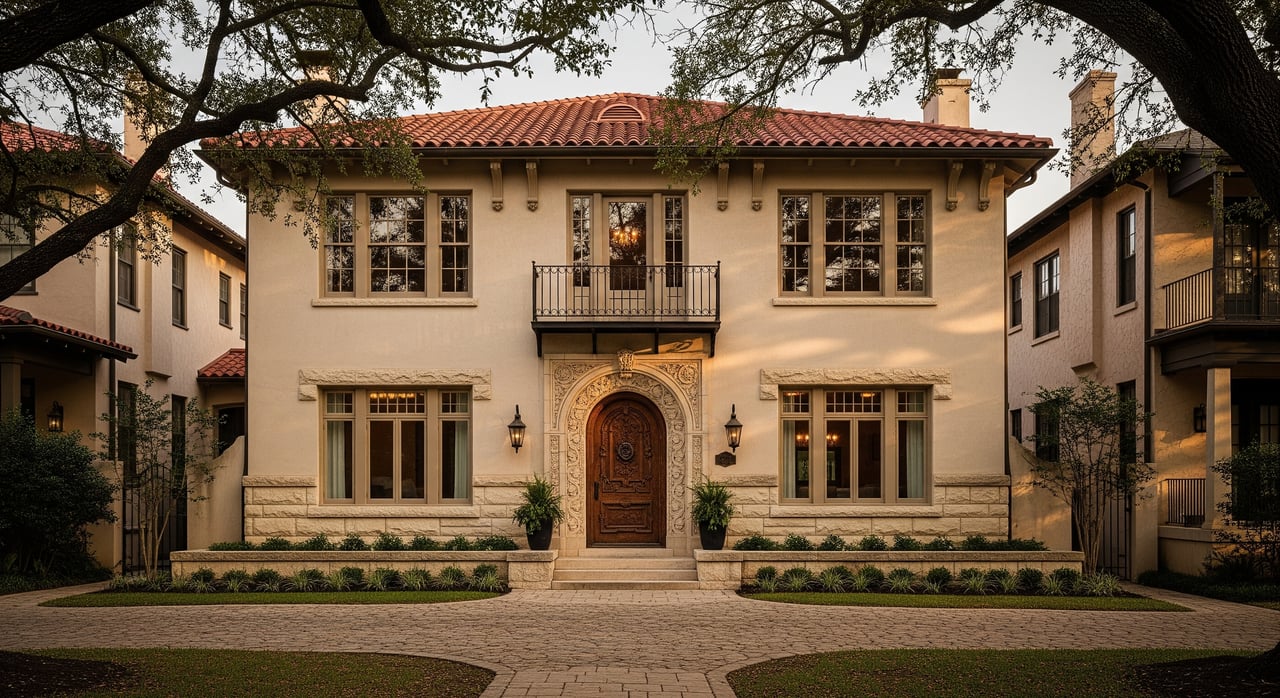
Monte Vista grew in the early 20th century and includes Craftsman and Bungalow homes alongside Spanish, Mission, Colonial, and Tudor revival styles. You often see original woodwork, deep porches, masonry details, and historic windows along tree-lined streets.
With older homes, you may run into deferred maintenance, outdated electrical or plumbing, moisture management issues, and old finishes that can include lead-based paint or asbestos. You can modernize, but the goal is to keep significant historic features while making smart upgrades.
What triggers review in San Antonio
Expect review for exterior work visible from the street. Common triggers include changes to facades, porches, windows, and doors. New construction, additions, and infill also get reviewed for compatibility with nearby homes.
Demolition or partial demolition of a contributing building will require review. Changes to site features that are visible, like fences, driveways, or prominent landscaping elements, may also be reviewed. Interior work is usually not reviewed unless it alters the exterior appearance or is part of a certified project.
The Certificate of Appropriateness (COA)
Most projects within a local historic district require a COA before you apply for a building permit. Simple, routine work that meets established guidelines can often be approved administratively. Larger changes, demolition, or projects that do not meet administrative standards usually go to a review board or commission.
Timelines vary by project complexity. Administrative approvals can take a few weeks. Board hearings can take several weeks to months, especially if public notice and scheduling are required. Plan your project schedule with that in mind.
Standards that guide decisions
Local design guidelines shape what is acceptable for materials, scale, rooflines, porches, and window patterns. These guidelines are commonly aligned with the Secretary of the Interior’s Standards for Rehabilitation. The focus is on compatibility. For example, a rear addition should be scaled and detailed so it fits the rhythm of neighboring homes and does not overpower the original structure.
Demolition and new construction
Demolition of contributing historic buildings is carefully controlled. Many local districts can delay or deny demolition if the structure contributes to the district’s character. New construction and infill are evaluated for scale, massing, materials, and placement so the streetscape remains cohesive.
If you are considering removing a non-contributing structure, you will still need to follow the review process. Reach out early to clarify requirements and timelines.
Permits and inspections
The COA is typically required before you apply for a building permit. Building permits and code compliance are separate but linked steps. Keep your approvals, plans, and inspection records organized so your project moves smoothly from design to completion.
Costs, incentives, and financing
Sensitive repairs often cost more because they use specialized materials or skilled contractors. Lead or asbestos abatement and custom window work can add expense. Budget time and a contingency for specialty trades and materials.
There are incentives, but they vary by property type. The federal Historic Rehabilitation Tax Credit of 20 percent applies to certified rehabilitation of income-producing properties that meet federal standards. It does not apply to owner-occupied single-family homes.
State or local grants and property tax incentives may be available, and they change over time. Check with the City of San Antonio and the Texas Historical Commission for current programs. Some owners also consider preservation easements, which can offer tax benefits but place legal limits on future changes.
For financing, renovation-friendly products like FHA 203(k) and Fannie Mae HomeStyle Renovation loans can be options, depending on the scope of work and lender guidelines. For income-producing historic properties, federal and some state tax credits can offset qualified rehabilitation costs if you meet all requirements.
Step-by-step checklist
- Confirm designation and status
- Verify the property is in the Monte Vista local historic district. Note whether it is listed as contributing or non-contributing in the district inventory.
- Gather rules and records
- Get the district design guidelines and the City of San Antonio preservation ordinance. Ask the seller for past COAs, permits, and any preservation easements or deed restrictions.
- Document the house
- Photograph conditions, measure key areas, and list historic features you plan to keep, repair, or modify.
- Contact the City
- Ask the City of San Antonio Historic Preservation Office for pre-application guidance. Confirm whether your work needs a COA and what type of review applies.
- Build your team
- Engage design and construction pros with historic district experience. A preservation architect or an architect familiar with San Antonio’s guidelines can save time and revisions.
- Prepare your submittal
- Provide plans, material samples, and a clear scope. Show how new work will match or complement existing patterns, materials, and scale.
- Sequence approvals
- Obtain your COA before applying for building permits. Keep documentation of decisions, revisions, and approvals for your records and future resale.
Tips to reduce risk and cost
- Repair instead of replacing historic elements when feasible. It can preserve value and sometimes cost less over time.
- Ask for a pre-application meeting to surface issues early.
- Use contractors with local historic preservation experience.
- Build time into your schedule for reviews, public notices, and specialty materials.
- Keep all approvals, photos, and specifications organized to support future projects or potential incentives.
Common pitfalls to avoid
- Starting work before approval. This can trigger fines, stop-work orders, or forced corrections.
- Confusing National Register listing with local rules. Local designation drives day-to-day control in Monte Vista.
- Hiring a team without preservation experience. The learning curve can be costly.
- Underestimating the timeline. Commission calendars and public notices can extend schedules.
- Ignoring neighborhood groups. Local associations can offer insight and community context.
Local resources and who to contact
- City of San Antonio Historic Preservation Office and Planning & Development Services for COAs, permits, and design guidelines.
- Texas Historical Commission for state-level guidance and any current incentive information.
- National Park Service for information on the National Register and federal rehabilitation standards.
- Monte Vista neighborhood association or historical organization for neighborhood context and archives.
- Preservation architects, experienced contractors, and real estate agents familiar with historic properties for project support.
Bringing it all together
Monte Vista’s historic status helps protect the charm that drew you here in the first place. With a clear plan, the right team, and early coordination with the City, you can update your home while honoring its character. If you are buying, renovating, or preparing to sell a historic property, you deserve guidance that balances lifestyle goals with preservation requirements.
Ready to plan your next step in Monte Vista? Connect with Bruce X Forey for local guidance from a Certified Historic House Specialist who can help you navigate rules, timelines, and marketing with confidence.
FAQs
Monte Vista vs National Register: what is regulated?
- The National Register is honorary for most owners, while Monte Vista’s local historic district rules control exterior changes, new construction, and demolition.
Window replacement in Monte Vista: do I need approval?
- If windows are visible from the street, replacement is usually reviewed and should match historic patterns and profiles; repair is often preferred.
Interior remodels in Monte Vista: are they reviewed?
- Interior work is usually not reviewed unless it affects the exterior appearance or is part of a certified project with specific requirements.
Demolishing a contributing house: is it allowed?
- Demolition triggers a formal review and can be delayed or denied for contributing buildings; preservation or adaptive reuse is typically preferred.
Paint colors in Monte Vista: are they regulated?
- It depends on local guidelines; some districts review prominent facade colors or set palettes for new construction, so confirm with the City.
COA timeline in San Antonio: how long?
- Administrative approvals may take a few weeks; projects needing a commission hearing can take several weeks to months depending on scheduling.
Taxes and insurance: will historic status lower costs?
- Not typically; impacts vary, and there is no standard reduction tied solely to local historic designation.