Buying in Southtown can feel exciting right up until you realize that “historic” is not just a style, it can also mean real city review rules tied to the property you want. If you are looking at a home in San Antonio’s 78204 area, you need more than curb appeal and renovation ideas. You need to know what changes may require approval, what records to review before closing, and how to plan smart from the start. Let’s dive in.
Historic rules are property-specific
In Southtown, historic rules are not applied as one blanket standard across the whole area. The City of San Antonio identifies several historic areas in and around 78204, including King William, Lavaca, HemisFair Park, and the South Presa / South St. Mary’s corridor. According to the city’s historic district information for King William, King William and Lavaca are both locally designated districts and are also listed on the National Register.
That distinction matters because local historic district status is what brings enforceable city design rules into play. National Register status is not the same as local designation. For you as a buyer, the practical question is simple: is this specific parcel in a local historic district, designated as a landmark, or both?
The area also changes from block to block. The city notes that King William includes large 19th-century residences and later bungalows, while Lavaca includes smaller late-19th- and early-20th-century homes and some commercial buildings. That variety helps explain why review is tied to mapped district status and the details of the property, not just the neighborhood name.
What the city reviews before work starts
If a home is in a local historic district, the city requires a Certificate of Appropriateness, often called a COA, before starting exterior work. The Office of Historic Preservation reviews exterior changes, and the city warns that starting work before approval can lead to a stop-work order and a post-work application fee of $500.
For many buyers, that is the biggest mindset shift. Owning a historic home in Southtown does not mean you cannot make changes. It means you should expect a review process before exterior work begins.
The city’s Historic Design Guidelines cover the project types most buyers run into, including exterior maintenance, alterations, additions, new construction, site elements, and signage. The city says the goal is to give clear direction while still allowing some creativity, especially for additions and new construction.
Exterior features buyers should watch closely
Some parts of a home tend to draw more attention during historic review. If you are comparing properties in 78204, these are the features worth discussing early.
Roofs, windows, and porches
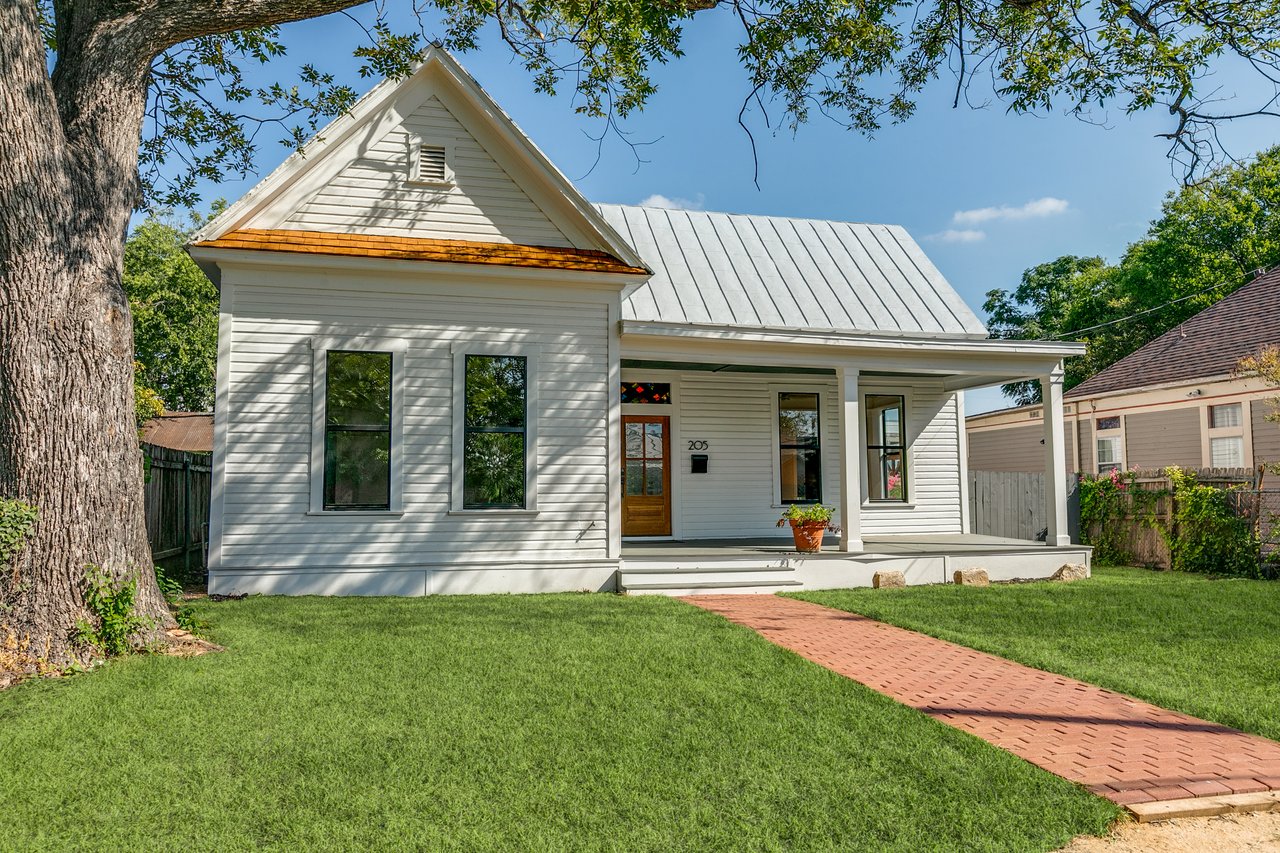
The city encourages retaining the original roof form, repairing historic windows when possible, and preserving porches rather than enclosing them. Those details often shape how the home reads from the street and contribute to the district’s overall historic character.
If your dream plan includes replacing windows, changing a roofline, or enclosing a front porch, pause and verify what is likely to be approved. These are not necessarily impossible projects, but they are not casual weekend updates either.
Additions and new construction
According to the city’s guidance on using the Historic Design Guidelines, additions should not damage or obscure character-defining details. They should also remain distinguishable from the original building while staying compatible in size, scale, proportion, and massing.
For new construction, the city prefers simple design that does not distract from nearby historic buildings. It also discourages false historic replicas, which is helpful to know if you are thinking about a teardown, major rebuild, or adding a detached structure.
Paint, masonry, and materials
There is good news here for buyers worried about color restrictions. The city states on its Lavaca historic district page that it does not limit paint color selection.
At the same time, the city discourages painting historically unpainted brick or masonry because that can trap moisture and damage the material. So while color may be flexible, the treatment of original materials still matters.
Fences, walls, and site elements
Historic review is not limited to the house itself. The city’s site elements guidance shows that front-yard fences, walls, landscaping, driveways, curbing, and topography can all be part of the review.
New front-yard fences are shaped by context and height limits, and some materials, including vinyl, chain link, and exposed CMU, are discouraged or prohibited. The city also favors retaining historic driveway patterns and curbing, especially when those elements help define the street edge.
Visibility affects flexibility
One detail that surprises many buyers is that visibility matters. The city’s guidelines say that work in rear yards or areas not visible from the public right-of-way generally receives more flexibility than highly visible street-facing work.
That can be useful when you are planning updates. A backyard addition or a less visible site change may have a different review path than a front-facing alteration that changes the home’s appearance from the street.
How the approval process usually works
San Antonio uses two main review paths for historic properties. As outlined in the city’s Historic Homeowner Handbook, some minor projects can be approved administratively by Office of Historic Preservation staff. Larger or more complex work, including material changes, additions, new construction, and demolition, typically goes to the Historic and Design Review Commission, or HDRC.
The same city resource says applicants should submit materials online and can expect a response within 48 hours about whether the application is complete and whether the request can be handled administratively or needs a public hearing. That early clarity can help you build a more realistic renovation timeline.
The city’s public portal help page explains that applicants should prepare current color photos of all sides of the structure and documents showing the proposed work. For residential applications, the city states there is no application fee.
What to review before you close
If you are buying a historic home in Southtown, due diligence should go beyond the usual inspection and financing steps. Since the city’s process relies on photos, plans, and supporting documentation, it is smart to ask for prior COAs, plans, and permit records before closing.
Here is a practical checklist to use during your buying process:
- Confirm whether the property is in a local historic district, an individually designated landmark, or both
- Ask for any prior COAs, approved plans, and permit records
- Review visible exterior features such as rooflines, windows, porches, fences, and driveway layout
- Compare your renovation ideas against the city’s likely review categories
- Ask whether your likely project seems administrative or likely to require HDRC review
- Contact the Office of Historic Preservation early if you are serious about making changes
The city also notes in its guidelines that they are not a substitute for advice from qualified architects, contractors, attorneys, city staff, or the HDRC. For buyers, that is a clear sign to line up the right help before you finalize a renovation budget or purchase decision.
Historic rules can bring benefits too
Historic review can sound like an extra layer of red tape, but there is another side to it. The city says preservation supports cultural, aesthetic, environmental, and economic goals. Its guidance explains that rehabilitation and reuse can help stabilize property values, support tourism, reduce the use of new materials, and strengthen neighborhood identity.
There may also be a tax incentive worth exploring if your project is substantial enough. In the city’s Historic Homeowner Handbook, San Antonio describes a local incentive that may apply when a property is a local landmark or sits in a local historic district and planned rehabilitation reaches at least 30 percent of the structure’s assessed improvement value.
For residential properties, the handbook describes two common options:
- A 10-year freeze at the pre-improvement city property-tax value
- Five years with no city property taxes, followed by five years taxed at 50 percent of the improvement value
The handbook also states that HDRC approval is required before the project begins. If you are buying a fixer with a serious restoration plan, this is one of the first questions to explore with the city and your professional team.
Smart questions to ask before you buy
When you are evaluating a Southtown property, a few focused questions can save you time, money, and frustration later.
Is this property actually regulated?
Do not assume that every charming home in 78204 has the same rules. Verify whether the parcel is in a local historic district, a landmark, or neither.
Which exterior features are most likely protected?
Look closely at rooflines, original windows, front porches, fences, and site elements. These are common areas where historic review becomes important.
What kind of review will my project need?
A smaller scope may be handled by staff, while a larger project may need HDRC review. That difference can affect timing, design choices, and how early you should start planning.
Are there records that tell the home’s renovation story?
Prior COAs, permits, and plans can reveal what was approved before, what may still need attention, and whether past work aligns with city requirements.
Could a major rehab qualify for incentives?
If your vision includes substantial rehabilitation, ask whether the project might meet the city’s threshold for a local tax incentive.
Buying in Southtown is often about more than finding square footage. It is about choosing a home with character, context, and a place in the story of 78204. When you understand the historic rules before you buy, you can move forward with more confidence and a clearer plan. If you want local guidance on finding the right historic fit and navigating the process with care, connect with Bruce X Forey.
FAQs
What historic districts are commonly associated with Southtown in 78204?
- In and around 78204, the City of San Antonio identifies King William, Lavaca, HemisFair Park, and the South Presa / South St. Mary’s corridor as historic areas, with King William and Lavaca listed as locally designated districts.
What does a Certificate of Appropriateness mean for a Southtown buyer?
- A Certificate of Appropriateness is city approval required before starting exterior work on a property in a local historic district, and starting work first can lead to enforcement action.
What exterior changes are most regulated on historic homes in Southtown?
- Common review areas include additions, new construction, roofs, windows, porches, fences, walls, driveways, curbing, and other site elements visible from the public right-of-way.
What is the difference between local historic district status and National Register status in San Antonio?
- Local historic district status carries enforceable city design rules, while National Register status is different and does not by itself create the same local review requirements.
What records should you ask for when buying a historic home in 78204?
- Ask for prior Certificates of Appropriateness, plans, and permit records so you can better understand past approvals and prepare for any future exterior work.
What tax incentive may apply to a historic home project in San Antonio?
- If the property is a local landmark or in a local historic district and the rehabilitation meets the city’s threshold, a residential project may qualify for a city property-tax incentive, subject to the city’s rules and pre-approval requirements.