Thinking about a brand-new build or an existing home in 78221? It is a big choice that affects your budget, timeline, and day-to-day life. You want a clear picture of costs, process, and long-term value before you decide. This guide breaks down the key differences so you can choose with confidence. Let’s dive in.
New vs resale: what it means
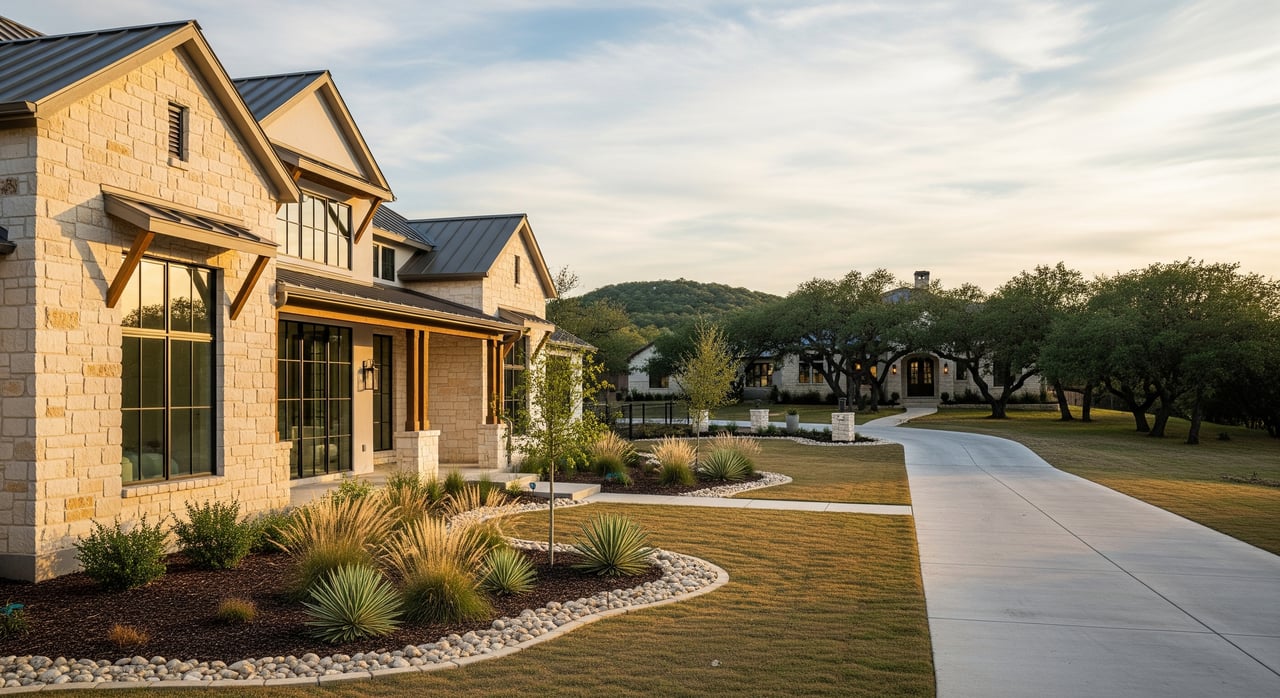
New construction is a home built from the ground up that has never been occupied. You may buy a completed spec home or choose a lot and floor plan and wait for it to be built. Resale homes are existing properties in established neighborhoods that have had at least one previous owner.
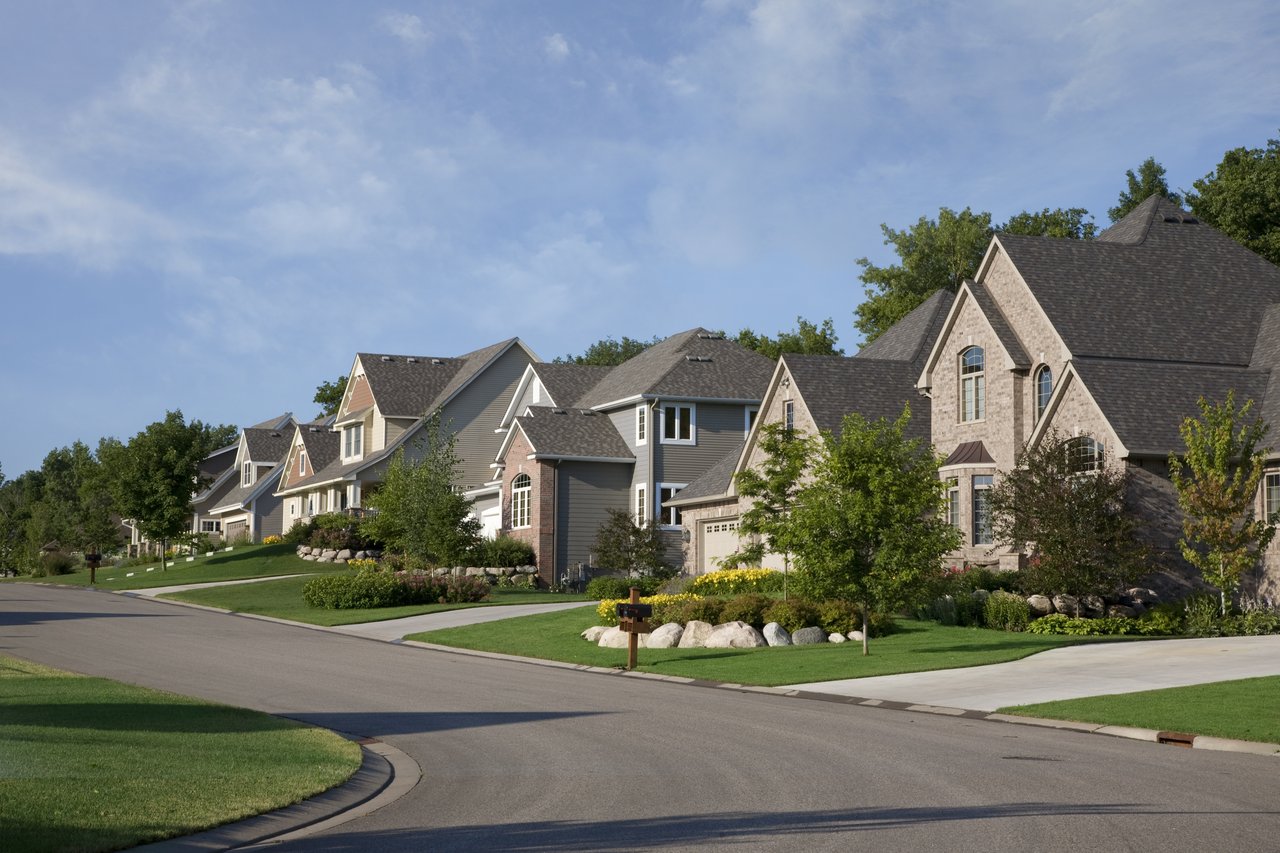
In and around 78221, new builds often cluster in master-planned or recently platted communities. Resale inventory is spread across established streets with mature landscaping and varied architectural styles. Your decision often starts with lifestyle fit: community amenities and brand-new systems versus neighborhood character and immediate availability.
Local snapshot: how to size up 78221
Every micro-market moves differently. To ground your decision, look at:
- Median sold price and price per square foot for both new and resale over the last 3 to 12 months.
- Days on market and months of supply to gauge negotiation leverage and urgency.
- Recent single-family building permit activity, which signals future new-home supply.
- Typical lot sizes and home footprints in active subdivisions compared with nearby resale streets.
- Property tax appraisals and exemptions, and how valuations have trended.
Focus your search on the neighborhoods and builders that match your target price, lot needs, and commute pattern. Verify specifics at the property level before you write an offer.
Costs: what to compare
Price is only the headline. Compare the full cost of ownership.
- Purchase price vs price per square foot. Builders price the base plan competitively. Upgrades and lot premiums add fast. Resale homes are typically sold as finished products, so align features apples to apples.
- Lot premiums and location. Corner lots, greenbelt views, or cul-de-sacs often carry added cost in new communities. Resale homes may trade at a premium for larger lots or privacy.
- Closing and carrying costs. For resale, expect standard closing costs and potential seller concessions. New construction may include builder incentives for closing costs or rate buydowns, but review lender fees and terms closely.
- Property taxes. New builds are often reassessed higher after completion. Check recent examples to estimate the post-construction tax bill and timing.
- HOA fees and rules. Many new subdivisions have active HOAs with design standards and amenity fees. Resale homes may or may not be in an HOA. Read the rules and budget for dues.
- Insurance and insurability. Newer homes that meet current codes can be more affordable to insure. Always confirm flood and wind exposure and get quotes early in your process.
- Energy and maintenance. New homes usually include modern insulation, windows, HVAC, and efficient appliances that can lower utility bills and reduce near-term repairs. Older resale homes may need system updates sooner but can offer durable materials and mature shade that helps with comfort.
Timeline and process
Your timeline can be the deciding factor.
- New construction. Build time can range from about 4 to 12 months or more depending on the lot, plan, and weather. You will have stage milestones, selections appointments, and builder inspections. Delays can happen from materials or labor availability.
- Resale. Once under contract, most transactions close in 30 to 60 days, subject to inspection, appraisal, and financing. You can often negotiate possession, rent-back, or a flexible close date.
If you need to move quickly, resale is usually the faster route. If you want specific finishes and the newest systems, a new build can be worth the wait.
Financing differences
Financing impacts your payment and cash needed at closing.
- Resale. Conventional, FHA, and VA loans are common. You can shop multiple lenders and programs to find the best rate and terms.
- New construction. You may use the builder’s preferred lender or your own. Some buyers use construction-to-permanent loans for semi-custom or custom builds. Builder incentives can be attractive, but compare the total cost of financing, not just the monthly payment.
- Appraisals. In new communities with limited recent sales, appraisals can be challenging. Lenders rely on comparable properties, so limited comps may affect value and down payment requirements.
Ask your lender about experience with local new-home financing and how they handle appraisals in emerging subdivisions.
Inspections and warranties
Inspections matter for both paths.
- Resale inspections. Order a general home inspection and add specialty inspections as needed. Use the findings to plan repairs, negotiate credits, or confirm the home’s condition.
- New-home inspections. Schedule independent inspections at key stages such as pre-drywall and final. Many builders allow third-party inspectors. Review the builder’s contract for inspection rules.
- Warranties. Builders typically offer limited warranties that cover workmanship for the first year, systems for multiple years, and structural items for a longer period. Understand what is covered and how to file a claim. Resale transactions rarely include builder warranties unless they are transferable or you purchase a home warranty plan.
Value and resale prospects
Age alone does not determine long-term value. What matters most is location, lot quality, construction, and neighborhood trends.
- Location and access. Proximity to major corridors, services, and employment centers tends to support value.
- Lot and privacy. Larger or better-oriented lots can stand out at resale. Mature landscaping and shade can be a draw.
- Construction quality and efficiency. Solid workmanship, reputable builders, and energy-smart features influence buyer demand and ownership costs.
- Neighborhood stability and amenities. Community amenities and well-run HOAs can support values over time. Track nearby development that could add services or change traffic patterns.
Local factors to verify in 78221
Before you commit, confirm property-level details that affect cost, comfort, and risk.
- School boundaries. Attendance zones can vary within a ZIP code. Verify the assigned schools for the specific address.
- Flood and drainage. Review flood designations for the lot and understand local drainage patterns.
- Utilities. Confirm whether the property is connected to public water and sewer or relies on private systems, and check service provider programs for efficiency.
- Permits and future development. Look into active and planned permits and plats. Nearby infrastructure or commercial projects can influence future value.
- Commute and access. Map routes to work, medical, and daily errands at the times you travel. Small changes in access can affect lifestyle.
Buyer checklist: new vs resale
Use this quick checklist to compare two specific homes side by side.
- Confirm lot location, orientation, easements, and setbacks.
- Pull property tax history and estimate the post-construction assessment for new builds.
- For new builds: review the full builder contract, selections, timeline, and definition of completion.
- For new builds: schedule independent pre-drywall and final inspections, and confirm who pays for corrective work and when.
- For resale: order a general home inspection, termite inspection, and any needed specialty inspections.
- Ask about utility costs and recent bills for resale. For new, request estimated energy usage, insulation specs, and HVAC SEER rating.
- Review HOA rules, dues, amenities, and any pending assessments.
- Ask your lender about appraisal comparables and experience with local new-home loans.
- Confirm close date, possession rules, and any rent-back needs.
Seller strategies: competing with new builds
If you are selling near active new construction, position your home to win.
- Price with the competition in mind, not just past sales. Reference current new-home offerings buyers will tour.
- Spotlight advantages: larger lot, mature trees, immediate move-in, and a flexible close date.
- Make focused updates: fresh paint, a light kitchen refresh, staging, and curb appeal to match buyer expectations.
- Provide service records, disclosures, and a recent inspection to remove uncertainty.
- Consider a pre-listing inspection to reduce repair negotiations and build confidence.
Which path fits your lifestyle
Different buyers value different things, so weigh the path that fits your season of life.
- First-time buyer. Predictable monthly costs and lower maintenance can make new construction appealing. Look closely at taxes, HOA dues, and upgrade totals.
- Military or relocation buyer. Timelines matter. If you need a firm move date, a move-in ready resale can reduce risk.
- Move-up or downsizer. If lot size, privacy, or a specific neighborhood vibe is your priority, a well-kept resale on a great lot may be your best long-term value.
Next steps
Choosing between new and resale in 78221 comes down to clarity on cost, timing, and lifestyle. Start by defining your must-haves, then compare two or three concrete options with the checklists above.
If you want a local guide to help you weigh the tradeoffs, align the choice with your daily routine, and negotiate with confidence, connect with Bruce X Forey for a personalized plan.
FAQs
Are new homes cheaper to operate than older homes in 78221?
- Often yes in the near term due to updated building codes, modern HVAC, insulation, windows, and efficient appliances that can lower utility and repair costs.
Can I negotiate with a builder like I would on a resale?
- Builders tend to hold the base price but may offer incentives such as closing-cost credits, rate buydowns, upgrades, or lot discounts depending on inventory and stage of construction.
Do I still need inspections on a brand-new home?
- Yes, independent inspections at key stages help document workmanship issues and ensure items are addressed before closing and under warranty.
How much can property taxes change on a new build?
- Expect a reassessment after construction is completed; review recent valuations on similar homes to estimate the post-construction tax bill and timing.
How long does a new build usually take compared with resale?
- A new build often takes about 4 to 12 months or more depending on plan and conditions, while resale closings commonly finish in 30 to 60 days once contingencies are cleared.