Selling a historic home in Southtown can feel like balancing two priorities at once: you want to protect the charm buyers love, and you also want your home to pass inspections and show well. If you plan the right pre-listing updates, you can reduce surprises, attract more qualified buyers, and support a stronger price.
This guide walks you through the smartest updates for 78204 historic homes, what approvals you may need, how to plan your timeline, and how to showcase your home’s story. You will leave with a practical checklist and a clear path to market. Let’s dive in.
Know your historic status
Before you pick paint colors or schedule contractors, confirm whether your property is within a locally designated historic district or carries individual landmark status. Southtown includes the King William area and other historic blocks with many late 19th and early 20th century homes. Your status influences what exterior work is allowed and how it must be done.
If your home is in a local district, exterior changes visible from the street typically require review and approval by the City’s historic preservation office or review board. Interior work is usually not regulated unless there is a special designation or easement that includes interior features.
Approvals and permits
Plan for two tracks: historic review for applicable exterior work and standard building permits for trades like electrical, plumbing, mechanical, roofing, and structural. You may need a Certificate of Appropriateness or similar approval for replacements, additions, or changes in materials. Routine in-kind repairs often proceed without formal review, but confirm before starting.
What triggers review
Full replacements, material changes such as wood to vinyl windows, or shingles to metal roofing, as well as additions and new construction, typically trigger historic review. Repairs in kind are usually simpler. Build in lead time for submittals and board meeting cycles.
Prioritize safety and systems
Start with the high-impact items that calm buyer concerns and avoid lender issues. These updates often do the most to protect your price and timeline.
Roof, foundation, and pests
- Roof: Repair or replace failing roofing, flashing, and gutters. A recent roof inspection or warranty can speed your sale.
- Foundation and termites: Older Southtown homes may show settlement or pier-and-beam concerns. If you see movement, wood rot, or uneven floors, order a structural inspection and termite inspection.
Electrical, HVAC, and plumbing
- Electrical: Update outdated wiring such as knob-and-tube and ensure the service panel is sized and safe. Buyers and underwriters focus on electrical safety.
- HVAC: Service or replace failing systems. Keep maintenance records, especially important in San Antonio’s climate.
- Plumbing: Fix leaks, address failing galvanized pipes, and make sure the water heater and drains work properly.
Curb appeal with historic care
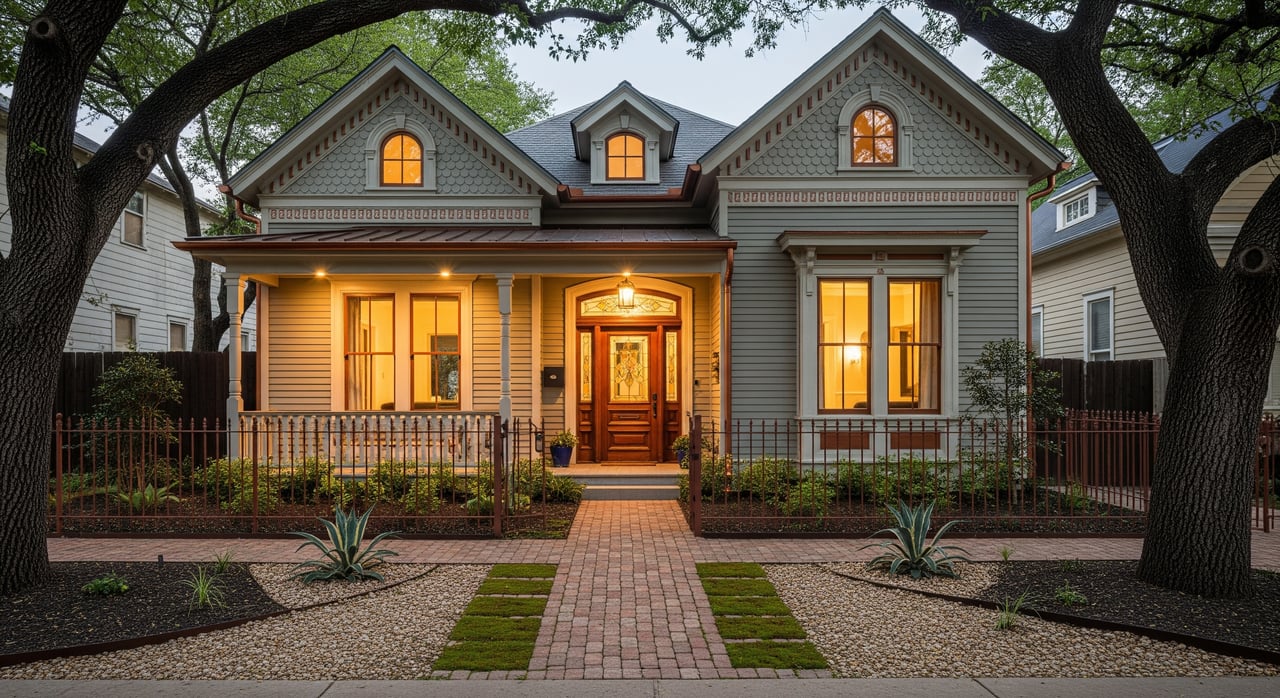
Exterior first impressions matter, and in historic districts they must also be appropriate. Thoughtful, in-kind repairs and compatible materials go a long way.
- Paint and wood repair: Maintain or repair decorative woodwork, porches, and trim with in-kind materials. Fresh, historically suitable colors can lift curb appeal.
- Windows and doors: Repair original windows when possible with sash repair and weatherstripping. Replacements visible from the street often need approval; if replacement is necessary, choose historically compatible styles and document the reasons.
- Porch and masonry: Repair porch floors and steps. Repoint historic brick or stone with the correct mortar mix to avoid long-term damage.
- Landscaping and hardscape: Trim overgrowth, repair walkways, and consider period-appropriate lighting to enhance entry appeal.
Smart interior refreshes
Aim for updates that boost perceived value without erasing character. In many 78204 homes, buyers prize authenticity.
- Cosmetic refresh: Neutral interior paint, repaired plaster or drywall, and cleaned or refinished original hardwoods deliver strong impact for a reasonable cost.
- Kitchens and baths: Targeted upgrades usually outperform full gut remodels. Refinish cabinets, update hardware and lighting, repair leaks, and ensure everything functions well.
- Appliances and mechanicals: Clean and service appliances; provide recent service documentation where you can.
Preserve character and tell the story
Buyers in Southtown often value originality. Preserve defining features like ornamental plaster, moldings, original floors, and stained glass. Then help buyers see the home’s journey.
Create a simple “historic features packet” that includes the construction date, known architects or builders, documented renovations with permits, preservation work, and any period photos you can find. This packet increases buyer confidence and can support stronger offers.
Health and environmental checks
Older homes may have special considerations. Plan ahead to address health and safety.
- Lead-based paint: Homes built before 1978 may contain lead paint. The EPA’s Renovation, Repair and Painting Rule requires certified renovators and specific work practices when disturbing lead paint in target housing.
- Asbestos: Some older floor tiles, insulation, or other materials may contain asbestos. Test suspected materials before removal.
- Mold and moisture: Fix active leaks, improve ventilation, and resolve humidity issues. Moisture control is important in San Antonio’s climate.
Paperwork, inspections, and disclosures
Documentation helps buyers feel at ease and reduces back-and-forth during option periods.
- Pre-listing inspection: Consider a full home inspection and specialty checks for roof, pest, HVAC, and foundation. Use the results to plan repairs or price strategy.
- Permits and receipts: Gather permits, approvals, warranties, and repair receipts. Include any historic review paperwork.
- Disclosures: Texas requires a Seller’s Disclosure Notice. For pre-1978 homes, federal rules require a lead-based paint disclosure. Disclose known easements, restrictions, structural history, and documented pest issues.
Timeline and budget expectations
Give yourself enough time to do the work right and assemble your narrative. Here are typical ranges:
- Minor cosmetic work and staging: 1 to 4 weeks.
- Exterior repairs that need historic review: 4 to 12 or more weeks depending on review cycles and contractor availability.
- Major structural or systems replacement: 6 to 16 or more weeks including permits and inspections.
On return potential, cosmetic fixes and curb appeal often deliver strong perceived value. Systems and safety upgrades rarely lose money because they remove major buyer contingencies. Full gut remodels in historic districts can be costly and may not produce proportional resale gains unless your market supports a premium for fully modernized historic homes. Get a comparative market analysis and advice before committing to large-scale work.
Who to call
Choose experienced pros who understand historic materials and local rules. Consider:
- Historic preservation architect or consultant.
- Licensed general contractor with historic rehab experience.
- Structural engineer for foundation and significant structural concerns.
- Roofing contractor familiar with historic roofing.
- Certified electrician and plumber.
- Pest inspector and remediation contractor.
- Lead and asbestos testing or abatement specialists when indicated.
- HVAC technician experienced with older homes.
- Professional stager and photographer who know how to highlight original details.
- Title or real estate attorney for unique easements or restrictions.
Start by confirming historic district boundaries with the City’s preservation office. Get written scopes, bids, and timelines. Secure permits early and keep a complete record of approvals, receipts, warranties, and inspection reports to include in your listing packet.
Pricing and positioning in 78204
Price your home based on condition relative to comparable historic properties. If you plan to list at a premium, complete key repairs and provide documentation. If you choose to price with known needs in mind, disclose the items clearly. Also note any restrictions that may affect future exterior changes, as these can influence buyer expectations and offers.
Step-by-step plan for 78204 sellers
Use this sample pre-listing sequence as a starting point:
- Week 0: Gather deeds, past permits, and warranty information. Confirm historic district status, order a pre-listing inspection, and begin your Seller’s Disclosure.
- Weeks 1–3: Address high-priority safety and systems items like roof, electrical, HVAC, plumbing, and termite repairs.
- Weeks 2–6: Complete exterior work that requires historic review; submit applications early. Start interior cosmetic updates and staging.
- Weeks 4–8: Wrap up repairs, close out permits, and complete final inspections. Schedule professional photography and prepare your historic features packet.
- Week 8+: Go live on the market when major safety items and curb appeal are resolved and your documentation is buyer-ready.
Staging and marketing for Southtown
Staging should complement the home’s period while still feeling livable. Pair classic pieces with modern conveniences so buyers see both character and comfort. Photography and virtual tours should highlight original details, natural light, and context within the historic streetscape. In your marketing remarks, emphasize provenance, preserved features, and thoughtful updates, along with the benefits of living near the San Antonio River Walk and downtown amenities. Offer a short buyer education packet that explains the local design review process and what it means to care for historic features.
Ready to list with confidence?
If you want a plan that protects your price and honors your home’s story, you do not have to do it alone. With Certified Historic House Specialist training, deep local knowledge of 78204, and media-grade, story-driven marketing, you get clear guidance and polished presentation from prep to close. Let’s create the right pre-listing strategy for your Southtown home. Connect with Bruce X Forey to get started. Find Your Lifestyle Home — Start Your Search or Get a Premium Home Consultation.
FAQs
Do I need approval to replace street-facing windows on a Southtown historic home?
- If your property is in a locally designated historic district, street-facing window replacements often require review; repair of original windows is usually preferred when feasible.
Are homeowner-occupied historic homes in 78204 eligible for federal tax credits?
- Federal rehabilitation tax credits generally apply to income-producing properties that meet certification standards; owner-occupied residences typically are not eligible for the 20 percent credit.
Should I do a full remodel before selling my historic Southtown home?
- Targeted system repairs and selective updates usually deliver better returns and lower risk than full gut rehabs; many buyers prefer to choose major remodel finishes themselves.
What disclosures are required when selling an older home in Texas?
- You must provide the Texas Seller’s Disclosure Notice, and for pre-1978 homes you must also deliver a federal lead-based paint disclosure; disclose known easements, restrictions, structural history, and pest issues.
How do historic district rules affect buyers after closing?
- Buyers planning substantial exterior changes should expect a local review process and material requirements; include a summary of the process in your listing packet so expectations are clear.
How can I confirm if my Southtown home is in a historic district?
- Contact the City of San Antonio’s Office of Historic Preservation or review local maps and records to verify district boundaries and any landmark status before you start exterior work.